Buy streamm.eu ?
We are moving the project
streamm.eu .
Are you interested in purchasing the domain
streamm.eu ?
domain@kv-gmbh.de · 0541-91531010
Buy streamm.eu ?
Why is TCP slower than UDP?
TCP is slower than UDP because it is a connection-oriented protocol, meaning it establishes a connection between the sender and receiver before transmitting data. This involves a three-way handshake process, which adds overhead and latency to the communication. Additionally, TCP includes error-checking and retransmission of lost packets, which can further slow down the transmission of data. In contrast, UDP is a connectionless protocol that does not have the same level of error-checking and retransmission, making it faster but less reliable for transmitting data. **
Are incoming TCP/UDP packets being blocked?
To determine if incoming TCP/UDP packets are being blocked, you can check the firewall settings on the network or system in question. Look for any rules that may be blocking incoming traffic on specific ports or protocols. Additionally, you can use network monitoring tools to analyze incoming traffic and see if any packets are being dropped or blocked. If packets are being blocked, you may need to adjust the firewall settings to allow the desired traffic to pass through. **

Similar search terms for UDP
Top-Angebote
Products related to UDP:
-
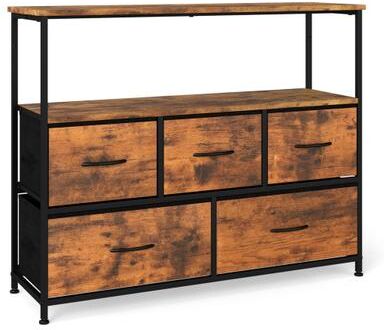
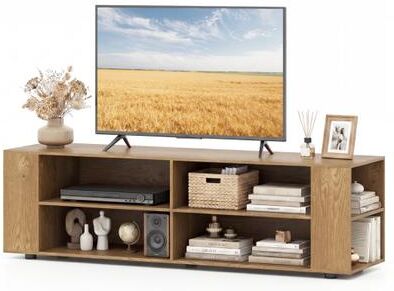
Timechee Large Entertainment Center Bookshelves 57x38 inch Hutch Space for TVAll-New Modern TV Stand Wall Unit - Adding a Touch of Luxury to Your Living(57x38 inch Hutch Space for TV) (The maximum option includes all products, while the rest of the options only have a single product.413,49 $*Shipping: 0,00 $Secure redirect to the provider
-
GoPro HERO10 Black – Waterproof Action Camera, 5.3K60 Video, 23MP Photos, Front LCD & Rear Touch Screen, 1080p Live Streaming, Stabilization, Used - Very GoodCapture every thrilling moment in razor-sharp clarity with the GoPro HERO10 Black – Waterproof Action Camera . Designed for adventurers, athletes, vloggers, and creators, this powerhouse features a blazing-fast GP2 processor that delivers double the performance for incredibly smooth 5.3K60 video and 23MP photos. Whether you're diving underwater, racing down mountain trails, or streaming your adventures live, the HERO10 Black ensures pro-level quality in every frame. With advanced stabilization, dual screens, and rugged waterproof design, it's the ultimate action camera built to perform in any environment. ✅ ( 5.3K60 Ultra HD Video ) – Record at an incredible 5.3K resolution at 60fps for breathtaking detail and smooth motion. ✅ ( 23MP High-Resolution Photos ) – Snap stunningly sharp images with lifelike color and clarity. ✅ ( GP2 Processor ) – Experience lightning-fast performance, improved touch responsiveness, and next-gen image quality. ✅ ( HyperSmooth 4.0 Stabilization ) – Achieve ultra-smooth video in any activity, even in rough terrain or high motion. ✅ ( Waterproof up to 33ft (10m ) – Dive in confidently without the need for an external case. ✅ ( Front LCD & Rear Touch Screen ) – Frame your shots perfectly with the front display and easily navigate settings with the responsive touch screen. ✅ ( 1080p Live Streaming ) – Go live in Full HD quality and share your adventures in real-time. ✅ ( TimeWarp 3.0 & Slow Motion ) – Create dynamic time-lapses and dramatic slow-motion clips with ease. ✅ ( Cloud Connected ) – Automatically upload footage to the cloud when charging for effortless backup. ✅ ( Built-in Mounting & Rugged Design ) – Instantly mount your camera anywhere with built-in folding fingers and a tough, durable body. The GoPro HERO10 Black is built for creators who never want to miss a moment, whether you're chasing waves, scaling peaks, or capturing everyday adventures. With top-tier video quality, unbeatable stabilization, and real-time streaming, it's the go-anywhere, do-anything camera that keeps up with your lifestyle. Upgrade your content with the best-in-class action camera that professionals trust.224,99 £*Shipping: 0,00 £Secure redirect to the provider


-
Why does DHCP use the UDP protocol?
DHCP uses the UDP protocol because it is a connectionless protocol that does not require a persistent connection between the client and the server. This makes it efficient for the dynamic allocation of IP addresses and configuration information to network devices. UDP also allows for quick communication between the client and server without the overhead of establishing and maintaining a connection, which is important for the fast and efficient allocation of IP addresses in a network environment. Additionally, UDP is well-suited for broadcasting and multicasting, which are used by DHCP to discover and communicate with servers on the network. **
-
Do TCP and UDP have the same port?
No, TCP and UDP do not have the same port. While both TCP and UDP use port numbers to identify different communication channels, they have separate sets of port numbers. TCP and UDP each have their own range of port numbers, and a port number used for TCP communication will not be the same as a port number used for UDP communication. This allows for different types of communication to be handled separately and efficiently. **
-
What is the major difference between TCP and UDP?
The major difference between TCP (Transmission Control Protocol) and UDP (User Datagram Protocol) lies in their connection-oriented versus connectionless nature. TCP is connection-oriented, meaning it establishes a connection between the sender and receiver before transmitting data, ensuring data reliability through error-checking and retransmission. On the other hand, UDP is connectionless, meaning it does not establish a connection before sending data, resulting in faster transmission but with no guarantee of data delivery or order. This fundamental distinction makes TCP more suitable for applications requiring reliable data delivery, while UDP is preferred for real-time applications where speed is prioritized over reliability. **
-
What is UDP and how does data input work?
UDP (User Datagram Protocol) is a connectionless protocol that operates at the transport layer of the OSI model. It is used for sending data over a network without establishing a connection. Data input in UDP involves the sender breaking the data into packets, adding a header with necessary information like source and destination ports, and sending it over the network. The receiver then receives the packets and reassembles them to reconstruct the original data. UDP is faster than TCP but does not guarantee delivery or order of packets. **
Why can't the Wiz outlet find the broadcast UDP?
The Wiz outlet may not be able to find the broadcast UDP due to several reasons. It could be a network issue, such as the UDP broadcast being blocked by a firewall or router settings. Additionally, there could be a problem with the Wiz outlet's network configuration or its ability to receive and process UDP broadcasts. It's also possible that there is a compatibility issue between the Wiz outlet and the device or software trying to send the broadcast UDP. Troubleshooting these potential issues and ensuring that the network and devices are properly configured can help resolve the problem. **
What is UDP and how does the data input work?
UDP, or User Datagram Protocol, is a connectionless protocol that operates at the transport layer of the OSI model. It is used to send data over a network without establishing a connection. UDP is often used for applications that require fast transmission of data, such as online gaming, video streaming, and VoIP. Data input in UDP works by breaking the data into small packets and sending them to the destination without any guarantee of delivery or order. Unlike TCP, UDP does not provide error checking or retransmission of lost packets, making it a less reliable but faster option for transmitting data. When the data reaches the destination, the packets are reassembled into the original data. **
Top-Angebote
Products related to UDP:
-
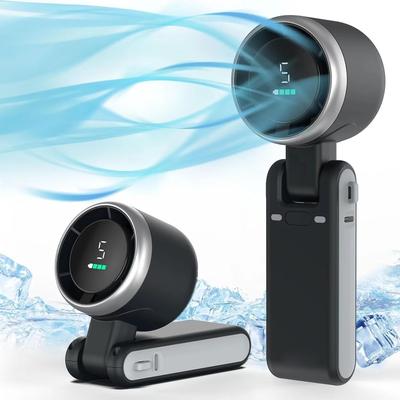
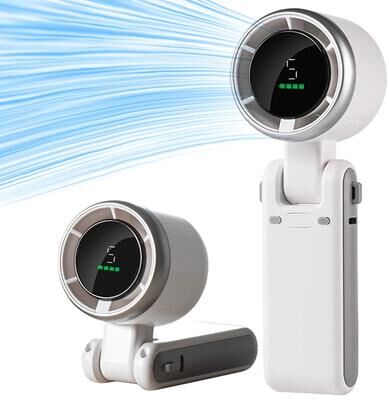
Uplifted Trends Desk Fan With Phone Holder Quiet Cooling & Hands Free Video Streaming greenTired of juggling a overheated phone and a cluttered workspace while watching videos or working late Stay cool and connected with our innovative desk fan with phone holder, designed specifically for multitaskers, streamers, and remote workers who...39,97 $*Shipping: 0,00 $Secure redirect to the provider
-
Timechee Large Entertainment Center Bookshelves 57x38 inch Hutch Space for TVAll-New Modern TV Stand Wall Unit - Adding a Touch of Luxury to Your Living(57x38 inch Hutch Space for TV) (The maximum option includes all products, while the rest of the options only have a single product.413,49 $*Shipping: 0,00 $Secure redirect to the provider
-
Why is TCP slower than UDP?
TCP is slower than UDP because it is a connection-oriented protocol, meaning it establishes a connection between the sender and receiver before transmitting data. This involves a three-way handshake process, which adds overhead and latency to the communication. Additionally, TCP includes error-checking and retransmission of lost packets, which can further slow down the transmission of data. In contrast, UDP is a connectionless protocol that does not have the same level of error-checking and retransmission, making it faster but less reliable for transmitting data. **
-
Are incoming TCP/UDP packets being blocked?
To determine if incoming TCP/UDP packets are being blocked, you can check the firewall settings on the network or system in question. Look for any rules that may be blocking incoming traffic on specific ports or protocols. Additionally, you can use network monitoring tools to analyze incoming traffic and see if any packets are being dropped or blocked. If packets are being blocked, you may need to adjust the firewall settings to allow the desired traffic to pass through. **
-
Why does DHCP use the UDP protocol?
DHCP uses the UDP protocol because it is a connectionless protocol that does not require a persistent connection between the client and the server. This makes it efficient for the dynamic allocation of IP addresses and configuration information to network devices. UDP also allows for quick communication between the client and server without the overhead of establishing and maintaining a connection, which is important for the fast and efficient allocation of IP addresses in a network environment. Additionally, UDP is well-suited for broadcasting and multicasting, which are used by DHCP to discover and communicate with servers on the network. **
-
Do TCP and UDP have the same port?
No, TCP and UDP do not have the same port. While both TCP and UDP use port numbers to identify different communication channels, they have separate sets of port numbers. TCP and UDP each have their own range of port numbers, and a port number used for TCP communication will not be the same as a port number used for UDP communication. This allows for different types of communication to be handled separately and efficiently. **
Similar search terms for UDP
-
GoPro HERO10 Black – Waterproof Action Camera, 5.3K60 Video, 23MP Photos, Front LCD & Rear Touch Screen, 1080p Live Streaming, Stabilization, Used - Very GoodCapture every thrilling moment in razor-sharp clarity with the GoPro HERO10 Black – Waterproof Action Camera . Designed for adventurers, athletes, vloggers, and creators, this powerhouse features a blazing-fast GP2 processor that delivers double the performance for incredibly smooth 5.3K60 video and 23MP photos. Whether you're diving underwater, racing down mountain trails, or streaming your adventures live, the HERO10 Black ensures pro-level quality in every frame. With advanced stabilization, dual screens, and rugged waterproof design, it's the ultimate action camera built to perform in any environment. ✅ ( 5.3K60 Ultra HD Video ) – Record at an incredible 5.3K resolution at 60fps for breathtaking detail and smooth motion. ✅ ( 23MP High-Resolution Photos ) – Snap stunningly sharp images with lifelike color and clarity. ✅ ( GP2 Processor ) – Experience lightning-fast performance, improved touch responsiveness, and next-gen image quality. ✅ ( HyperSmooth 4.0 Stabilization ) – Achieve ultra-smooth video in any activity, even in rough terrain or high motion. ✅ ( Waterproof up to 33ft (10m ) – Dive in confidently without the need for an external case. ✅ ( Front LCD & Rear Touch Screen ) – Frame your shots perfectly with the front display and easily navigate settings with the responsive touch screen. ✅ ( 1080p Live Streaming ) – Go live in Full HD quality and share your adventures in real-time. ✅ ( TimeWarp 3.0 & Slow Motion ) – Create dynamic time-lapses and dramatic slow-motion clips with ease. ✅ ( Cloud Connected ) – Automatically upload footage to the cloud when charging for effortless backup. ✅ ( Built-in Mounting & Rugged Design ) – Instantly mount your camera anywhere with built-in folding fingers and a tough, durable body. The GoPro HERO10 Black is built for creators who never want to miss a moment, whether you're chasing waves, scaling peaks, or capturing everyday adventures. With top-tier video quality, unbeatable stabilization, and real-time streaming, it's the go-anywhere, do-anything camera that keeps up with your lifestyle. Upgrade your content with the best-in-class action camera that professionals trust.224,99 £*Shipping: 0,00 £Secure redirect to the provider
-
Uplifted Trends Desk Fan With Phone Holder Quiet Cooling & Hands Free Video Streaming blackTired of juggling a overheated phone and a cluttered workspace while watching videos or working late Stay cool and connected with our innovative desk fan with phone holder, designed specifically for multitaskers, streamers, and remote workers who...39,97 $*Shipping: 0,00 $Secure redirect to the provider
-
Uplifted Trends Desk Fan With Phone Holder Quiet Cooling & Hands Free Video Streaming whiteTired of juggling a overheated phone and a cluttered workspace while watching videos or working late Stay cool and connected with our innovative desk fan with phone holder, designed specifically for multitaskers, streamers, and remote workers who...39,97 $*Shipping: 0,00 $Secure redirect to the provider
-
What is the major difference between TCP and UDP?
The major difference between TCP (Transmission Control Protocol) and UDP (User Datagram Protocol) lies in their connection-oriented versus connectionless nature. TCP is connection-oriented, meaning it establishes a connection between the sender and receiver before transmitting data, ensuring data reliability through error-checking and retransmission. On the other hand, UDP is connectionless, meaning it does not establish a connection before sending data, resulting in faster transmission but with no guarantee of data delivery or order. This fundamental distinction makes TCP more suitable for applications requiring reliable data delivery, while UDP is preferred for real-time applications where speed is prioritized over reliability. **
-
What is UDP and how does data input work?
UDP (User Datagram Protocol) is a connectionless protocol that operates at the transport layer of the OSI model. It is used for sending data over a network without establishing a connection. Data input in UDP involves the sender breaking the data into packets, adding a header with necessary information like source and destination ports, and sending it over the network. The receiver then receives the packets and reassembles them to reconstruct the original data. UDP is faster than TCP but does not guarantee delivery or order of packets. **
-
Why can't the Wiz outlet find the broadcast UDP?
The Wiz outlet may not be able to find the broadcast UDP due to several reasons. It could be a network issue, such as the UDP broadcast being blocked by a firewall or router settings. Additionally, there could be a problem with the Wiz outlet's network configuration or its ability to receive and process UDP broadcasts. It's also possible that there is a compatibility issue between the Wiz outlet and the device or software trying to send the broadcast UDP. Troubleshooting these potential issues and ensuring that the network and devices are properly configured can help resolve the problem. **
-
What is UDP and how does the data input work?
UDP, or User Datagram Protocol, is a connectionless protocol that operates at the transport layer of the OSI model. It is used to send data over a network without establishing a connection. UDP is often used for applications that require fast transmission of data, such as online gaming, video streaming, and VoIP. Data input in UDP works by breaking the data into small packets and sending them to the destination without any guarantee of delivery or order. Unlike TCP, UDP does not provide error checking or retransmission of lost packets, making it a less reliable but faster option for transmitting data. When the data reaches the destination, the packets are reassembled into the original data. **
* All prices are inclusive of VAT and, if applicable, plus shipping costs. The offer information is based on the details provided by the respective shop and is updated through automated processes. Real-time updates do not occur, so deviations can occur in individual cases. ** Note: Parts of this content were created by AI.